
If you are reading this page, the idea has probably already crossed your mind: leaving the Paris region for more space and a better setting, without cutting yourself off from the capital. The page “One hour’s flight from Paris” sets out the spirit of it; this one answers the practical questions anyone asks before taking the step.
The question in four parts: real travel times, budget, everyday life on the spot, and remote working.
This is the first question, and the most important. Here are the real durations, with no marketing rounding:
In other words: you can attend a meeting in Paris in the morning and have dinner at home in the evening. It is that closeness which makes the whole idea realistic, rather than a distant daydream about the countryside.
And to put those durations in perspective: the destinations Parisians turn to first are no more accessible. Reaching the Normandy coast (Deauville, say) takes about 2 hours by car in normal conditions — more on a Friday evening; southern Brittany (Vannes) is nearly 4 h 45 by road. Measured door to door, the south-west is therefore not “further away”: it is a comparable distance, or less, with sunshine and space thrown in.
One practical advantage makes this two-base life easier still: the house has a private, lockable garage. You can leave your car there safely and under cover while you are away in Paris. On your return, a taxi or bus from the airport or station brings you home: the car is waiting, ready to go, and you have your independence back at once, without having left a vehicle parked outside.
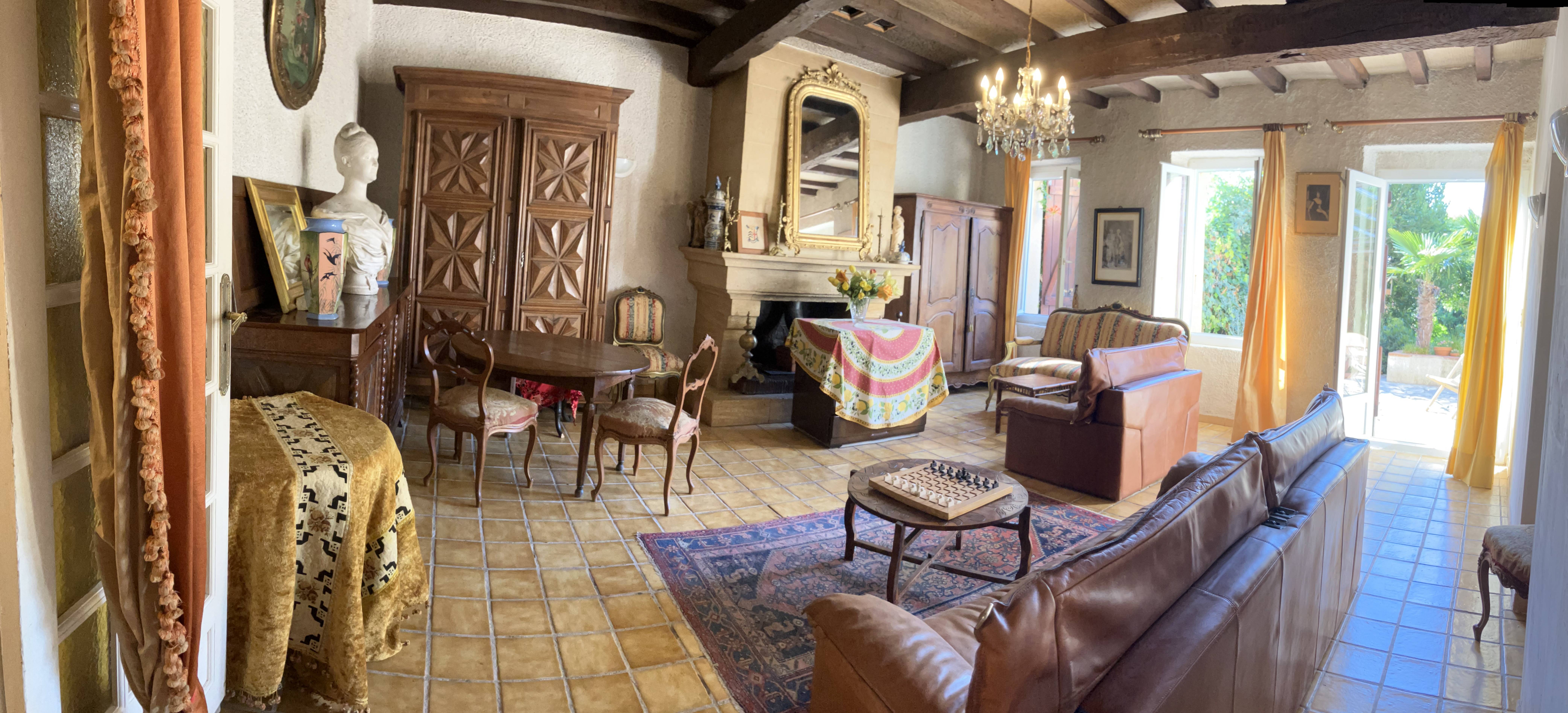
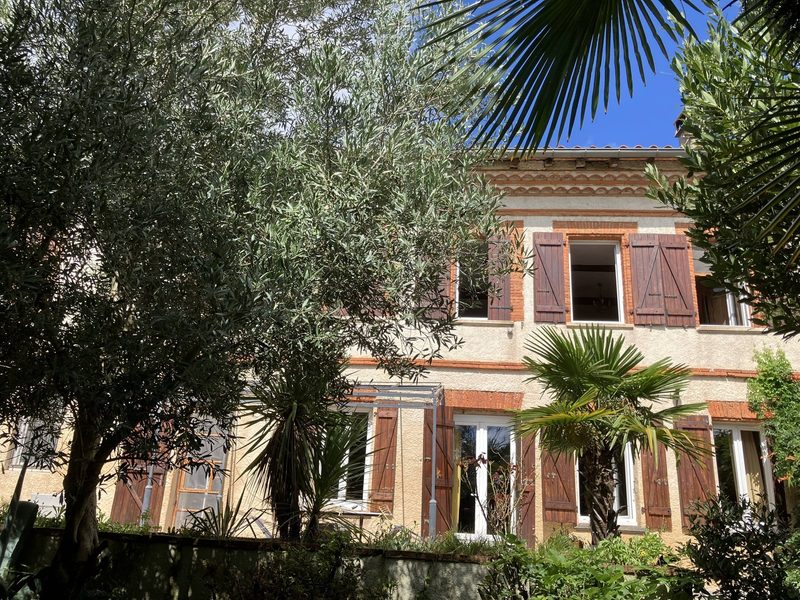
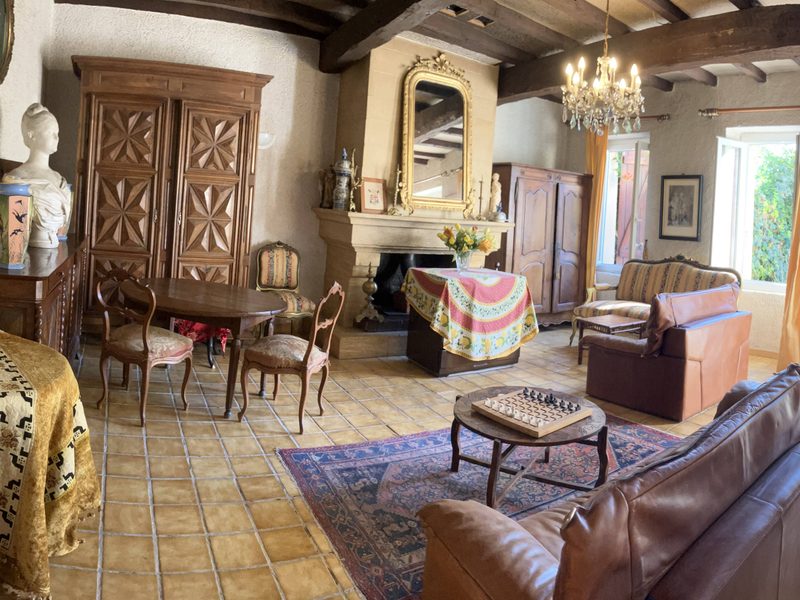
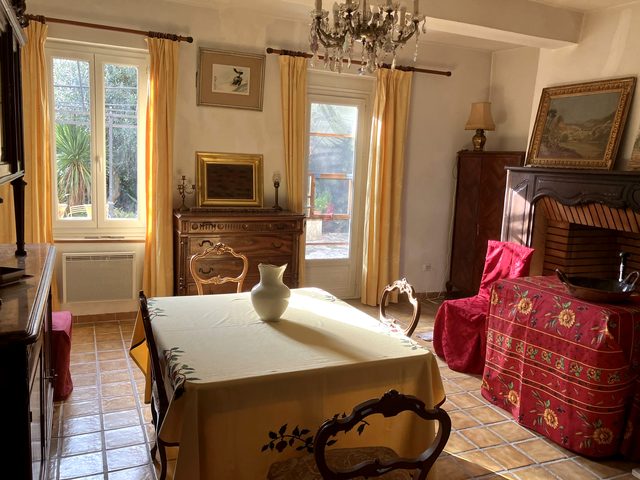
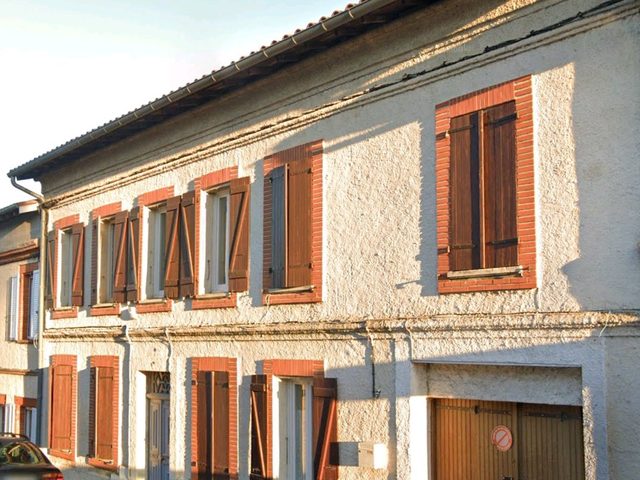
In the Paris region, property is among the most expensive in France. Many families end up cramped, with no outdoor space, for a high price. Selling a home there often leaves a budget that here buys something on an altogether different scale: a 319 m² character house, seven bedrooms, a garden, a garage, and an attic waiting to be converted.
The most common trade-off: sell the flat in the Paris region, buy the house, and keep a cash margin. You gain floor space and quality of life; you do not lose access to Paris.
The legitimate fear when you come from a big city: “won’t we end up isolated?” Not here. Saint-Lys, 3 km away, brings together the shops, schools and everyday services. Toulouse and its wider area — employment, universities, hospitals, culture — are quickly reached.
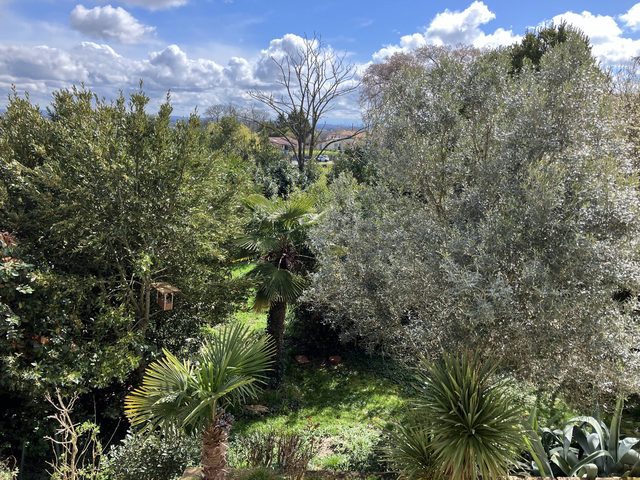
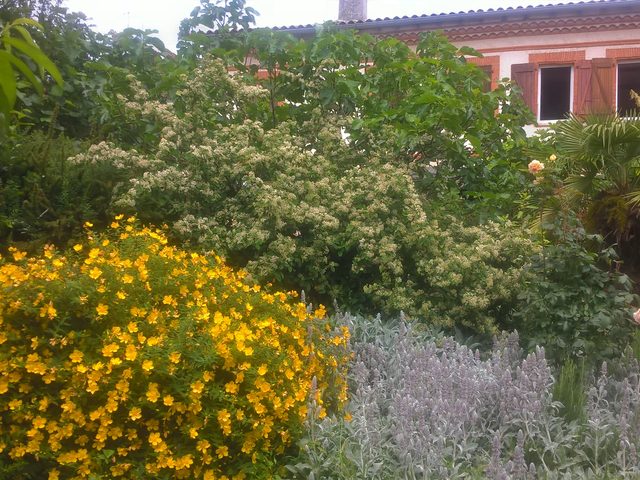
You also find the south-western way of life here: the foie gras market at Samatan some twenty kilometres away, the food, and a milder climate. All of it in a quiet village, 150 metres from the church, surrounded by greenery.
Remote working has changed things profoundly. For many people it is no longer necessary to live in Paris: a few days a month on site is enough, and an hour in the air makes those trips almost trivial. What you still need is a house that suits.
With its 319 m² and seven bedrooms, the house has ample room for a proper study — one room on the street side is already given over to it — away from the living areas. Room to work in peace, to entertain, and to let a family grow without feeling cramped.
About 1 h 15 to 1 h 20 in the air, on a very frequent route to Orly and Charles-de-Gaulle. Toulouse-Blagnac airport is about 35 minutes from the house.
Yes: a direct high-speed train from Paris-Montparnasse to Toulouse-Matabiau in about 4 h 15 to 4 h 30. A future high-speed line is aiming for around 3 hours by 2032.
No. Shops, schools and services at Saint-Lys (3 km); Toulouse close by; the airport about 35 minutes away.
Because in real travel time the gap is small: Normandy is about 2 hours’ drive from Paris and southern Brittany nearly 4 h 45, whereas here it is roughly one hour’s flight plus a 35-minute drive. For an often comparable budget you gain the southern climate, far more floor space and a real garden — without being any further from Paris.
Yes: 319 m² and a room set aside as a study, with quick air access to Paris for occasional meetings.
319 m² of character, a garden and real potential, one hour’s flight from Paris.